When it comes to securing the right skills for a construction project, all too often the approach is based upon filling the positions as quickly as possible without conducting the necessary due diligence on a potential employee’s background and health record. Clearly, it is impossible to know everything about a person before offering a contract, but employers should be doing more, specifically in relation to jobs involving power tools, to scrutinise a potential recruit’s vibration exposure history.
Over a million users of hand-held or hand-guided power tools face increased risk of Hand Arm Vibration Syndrome (HAVS) because they are exposed to Hand Arm Vibration (HAV) above the action level set by the Health and Safety Executive (HSE), and 300,000 people are estimated to have advanced systems of vibration white finger. What this means for the employment market is that there are potentially significant numbers of skilled workers in the market who have been over-exposed to vibration within their previous work.
So what, you may ask? The main point is this. When recruiting for a project or a new role, an employer is effectively taking on a new recruit’s vibration exposure history, even if the employee has previously been over-exposed to vibration levels through ineffective HAV monitoring by a former employer.
With the risk of HAVS among manual workers so high, a comprehensive health assessment and quantifiable health status for each tool user should be an essential part of the recruitment process. Vibration exposure has a cumulative effect, so employers must be sure of their employee’s previous exposure to HAV and take that into account when assigning tasks.
As an employer, in failing to take note of an employee’s vibration exposure history, and build that information into the employee’s risk assessment, you’ll run the risk of being hit financially. Even if you avoid a costly pay-out, you may be the recipient of HSE fines, or see a decrease in productivity through increased illness-related absence, resulting in extended project completion times. You may even find yourself unnecessarily forking out for tool repair and replacement.
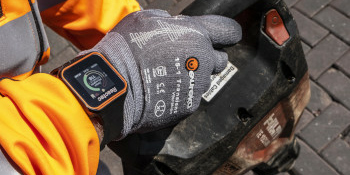
However, all of these risks can be managed by adopting an accurate HAVS risk assessment policy as part of the recruitment process. With the assessment in place, employers should then use digital monitoring systems such as our own Reactec Analytics Platform to manage the risk for their employees and reap the benefits of a healthier and more productive workforce.