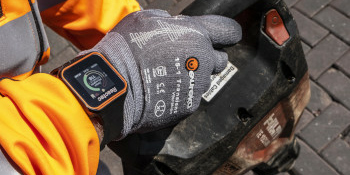
Having been available for several years now, has digital monitoring made a difference within the insurance industry? Have companies reduced insurance risk (claims or premiums) by deploying a digital monitoring & management system for Hand Arm Vibration?
Reactec asked Gerry James, Sales Director at Towergate Insurance this question and he stated “We meet with client and complete a Fact Find which asks for all the information required in relation to Material Damage, Business Interruption, Combined Liabilities, Transit, Combined Engineering, Motor Fleet, Professional Indemnity etc. This will include full details of sums insured, levels of indemnity, wage and turnover estimates etc. Business Description is important to ensure that all a company’s activities are included, along with details of hours of trading – eg shift working etc. Now we come to the really important part in relation to liabilities as the more information we can include to whet the appetite of an underwriters into allowing discounts in order to produce the correct rate required to win the business – the list is almost endless! Any HSE conviction or investigation, claims history, Personal Protection Equipment supplied, H&S Director, Risk Assessments, Method Statements, H&S Training, Hazardous Locations, etc etc etc!!!!!”
“The more relevant information we can include in our submissions has a direct impact on the quotes that come back to us and there is also a great deal of dialogue between the broker and underwriters. By the same rule, if we submit a rubbish presentation then any quote received will also be rubbish!”
“So going back to your question, if any of my clients are employing the use of HAVmeters, then details of this would be included in the presentation for which a premium discount would be allowed from the majority of underwriters. Provided users of the HAVmeters are monitoring the system, and then acting on the information produced, then this is music to the ears of underwriters”.
As stated by Gerry, the key message is employers need to review the data to aid exposure reduction actions to reduce risk.
So the next question is to all risk managers – why aren’t more companies using this readily available technology to not only improve worker welfare but improve company risk and costs?