Data is a doorway.
When you embrace a data-driven approach to workplace health and safety, you cross a threshold, leaving behind outdated practices and entering a modern era of occupational risk management: one that unlocks better insights, enables smarter decisions, and drives better outcomes for workers (and organisations).
The benefits of data-driven decision making are well documented. One study reported that highly data-driven organisations are three times more likely to report ‘significant improvements in decision-making compared to those who rely less on data.’ According to Harvard Business School, data-driven decision making improves confidence, enables proactivity, and contributes to cost savings.
But despite the fact that these benefits are well known, there are some sectors and organisations that haven’t fully adopted the data-driven mindset.
There are many reasons why an industry or business might not readily adopt new technologies or ways of working. These can include resistance to change, comfort with established practices, initial costs or training, perceived risk, and lack of clarity about the return on investment. But none of these objections outweigh the benefits that a data-driven approach to health and safety can offer.
Below, we’ll explore how a modern approach to risk management – one that’s underpinned by data-driven decision making – can transform how your team works, and how they stay safe. We’ll also review how health and safety managers can overcome objections and facilitate the uptake of modern health and safety technologies.

Transform your workplace and start driving better health and safety outcomes immediately
A data-driven approach to health and safety improves productivity and efficiency: Often, teams worry that introducing new tools or ways of working will get in the way of operation or slow things down. As a result, teams tend to shy away from new technologies in favour of established practices. But we know that many traditional methods for monitoring and managing the safety of workers aren’t just outdated and ineffective, they also actively prevent organisations from discovering better, faster ways of working.
Without reliable and accurate data, teams simply cannot fully understand their risk environment, so they cannot confidently identify and address areas of concern. This means that there is a limit to how much they can increase productivity or improve efficiency. But with clear and comprehensive data about their health and safety landscape, they can instantly unlock opportunities that would have remained out of reach otherwise. For example, analytics can reveal where worker behaviour – not tool age or condition – is creating a problem, or it can quickly analyse vast amounts of data to reveal patterns and trends that are simply unidentifiable through manual data collection and examination.
Modern technology makes it easier to understand your health and safety landscape: Teams sometimes resist uptake of risk management technology because they fear that data will be difficult to access and understand. The reality is that modern solutions make critical information and insights easy to obtain and digest.
Modern analytics platforms transform data into attractive, actionable insights before automatically distributing it to duty holders. There’s no need for IT intervention, and non-technical users are able to approach the platform and use it with ease. And unlike manual record keeping, modern tools for risk monitoring and management collect data in real-time, meaning there’s no lag between what’s happening on the ground, and what’s being recorded. In sum: modern tools streamline operations and make getting to relevant insights easier, not harder.
Modern risk management technology starts transforming your workplace almost immediately: The speed to value of risk management technology is incredibly fast. The hardware itself is designed to be lightweight and easy to use, data collection begins immediately, and analytics starts to review data and generate insights straight away.
Within days, your team has access to information that they can use to identify problem areas, refine controls, and improve ways of working. But it’s not just the analytics that transform your workplace almost immediately – when employees are alerted, in real time, to potentially hazardous or dangerous conditions, they can take action to course correct before the problem escalates. This enables workplaces to go from reactive environments to proactive ones, a shift that completely transforms the way organisations approach health and safety and risk management.
Facilitate uptake of new technology through education and support
For health and safety managers, the key to facilitating uptake of modern risk management solutions requires both education and ongoing support. When implementation of new technology is frictionless, users are far more likely to adopt and enjoy the tool. And structured training programs can go a long way toward helping workers feel comfortable with new technology: ensure that you have a plan in place to introduce new systems and processes, and provide support to users as they learn how to use them.
It’s also critical to trust the support team behind your chosen solution. You should have access to experts who can help you unlock the full potential of your new technology, and walk you through any troubleshooting or questions.
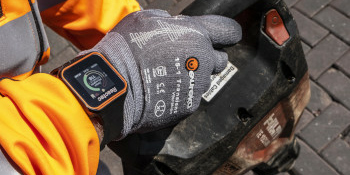
Reactec is a pioneer in modern risk management solutions. R-Link is third-generation workplace wearable technology that’s designed to give teams a 360-degree view of their total risk environment, so that they can improve productivity and efficiency, and drive better health and safety outcomes for workers. Plus, Reactec’s world-class support team offers organisations the help and information they need to get the most from their investment into risk management technology.
To learn more about how Reactec can help your team as they step into the modern era of risk monitoring and management, just get in touch.