Forty years ago, the Health and Safety at Work etc. Act 1974 was introduced in the UK, described as “a bold and far-reaching piece of legislation” by HSE’s first Director General, John Locke.
The Act, and the subsequent establishment of the HSE, marked a watershed for health and safety in the UK’s corporate community. Until that point, ‘safety first’ would have drawn many blank looks in the majority of workplaces, as injuries and illnesses were commonplace. The HSE all of a sudden handed responsibility for employee welfare to employers.<BR)
For some of our major industries, such as construction, manufacturing and mining, the new legislation and regulations had major ramifications for their organisational structures and working processes. Investigations were held after incidents to learn what went wrong and how it could be prevented in the future. But more importantly, health and safety became a critical part of how a company could differentiate itself from the competition, as training sessions instilled the company’s health and safety culture into employees. The figures speak for themselves. By 2013, fatal injuries to employees had fallen by 85% (RIDDOR) and reported non-fatal injuries to 2012 had fallen by 77% (RIDDOR).
One of the major step changes in corporate mentality has been the shift in perception of health and safety from a regulatory obligation to a bottom line driver. Suddenly, employers across the country realised that by managing the health and welfare of their employees they could reduce not only reduce fatalities and injuries at work, but also keep their employees fit and happy (thereby also reducing turnover and absence).
However, despite the increased acceptance of the business benefits of good health & safety practices, there are still a number of injuries and illnesses that go largely unmanaged or unheeded in the workplace. HAVS is one of them. In a recent report which we issued looking at the economic impact of HAVS, we highlighted the fact that the cost of HAVS to employers is around £1.32 billion (comprising sick pay payments, insurance premiums, production disturbance costs and administrative and legal costs).
Yet it really doesn’t need to be that way. Given that there are clear, simple and cost effective ways of monitoring exposure to HAV levels, HAVS is a totally unnecessary and preventable disease incurring huge costs at a time when many industries are doing all they can to remain competitive.
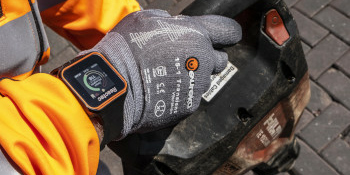
Putting the right systems in place will help to prevent unnecessary exposure and related costs, such as our own Reactec Analytics Platform, to manage and monitor exposure. From a health and safety perspective this is not good practice but working smarter and safer in the workplace.