Looking at data in isolation is, to put it simply, dangerous.
One of the most famous cases examining the potential consequences of ‘incomplete data’ has to do with World War II aircrafts. During the War, analysts studied the bullet holes on planes that returned from missions to determine where to add armor. Their plan was to use the data to reinforce potentially vulnerable areas. But their data was incomplete: they couldn’t examine bullet holes on planes that never made it back. A member of the team realised their oversight, and mechanics started reinforcing the areas that were not hit on the returning planes - those were the areas of planes that were actually the most vulnerable.
When it comes to occupational risk management, the key to implementing controls with confidence – and to best-protecting the health and safety of your workers – is collecting an amount and type of data that gives you robust insight into your workplace risk environment. In this article, we’ll review how R-Link enables your team to collect more accurate, more comprehensive, more complete data regarding your workers’ exposure to risk from multiple sources – all from a single platform.
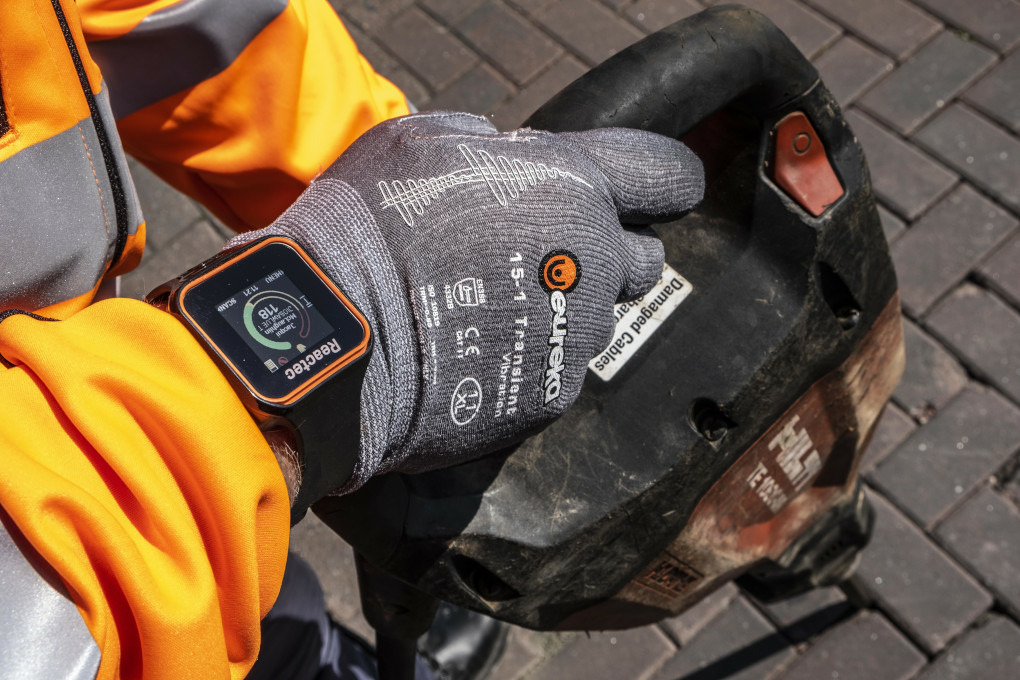
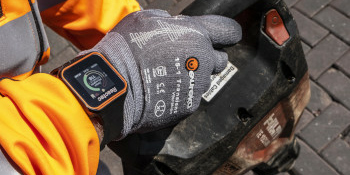
Ideagen Reactec R-Link Watch
Your approach to risk management should reflect your workers’ reality
Workers across construction, manufacturing, rail, and other sectors are exposed to multiple sources of risk on a daily basis, including vibrating tools and equipment, occupational noise or dust, and dangerous areas or hazards. These risks are often concurrent, and dynamic. Yet many organisations take an approach to risk management that relies upon infrequent, periodic risk assessments to keep workers healthy and safe.
Moreover, many teams do not, or cannot, evaluate their risk environment in a genuinely comprehensive, complete way. This is because they’re collecting information about their workers’ exposure to risk in siloes. As a result, they’re unable to identify important – and potentially consequential – connections between workers, tasks, or tools. Moreover, teams who don’t take a more holistic view of their risk environment are less likely to develop a streamlined, consistent approach to risk management. This is one reason why teams struggle with fragmented, ineffective strategies: they’re working with data that doesn’t tell the whole story.
This disconnect – between the way that organisations have traditionally managed occupational risk, and the way that their workers actually experience risk – leads to less effective controls, less efficient processes, and potentially worse outcomes for workers.
An advanced system to better protect worker health and safety
R-Link empowers teams to monitor and manage multiple sources of workplace risk, all from one platform. By leveraging an advanced ecosystem of workplace wearable technology, organisations can measure their workers’ exposure to risk from vibration, noise, dust, and dangerous proximity to hazards, and overlay that data to gain a more complete view of their total risk environment.
Powered by Reactec Analytics, R-Link enables more confident decision making and more effective controls by generating the insights teams need to adequately respond to their workers’ risk reality. Importantly, R-Link does this without interrupting business-as-usual: data is collected automatically, then transformed into actionable insight, all without the need for IT expertise or intervention. It’s a seamless system that drives deeper understanding, and more meaningful action, without slowing anything (or anyone) down.
For organisations seeking a better, easier way to manage their risk landscape, R-Link offers a secure and scalable solution that supports deeper knowledge, and more effective controls.
To learn more about the Reactec ecosystem, you can read this article. To speak to a member of our team directly, you can email us.